

Skip to content
Learning

Why Small Classes Help Students Learn Better

Discover how smaller classes support attention, participation, confidence, and meaningful progress from primary school through senior grades.

By Vidyanjali International School
· 3 min read
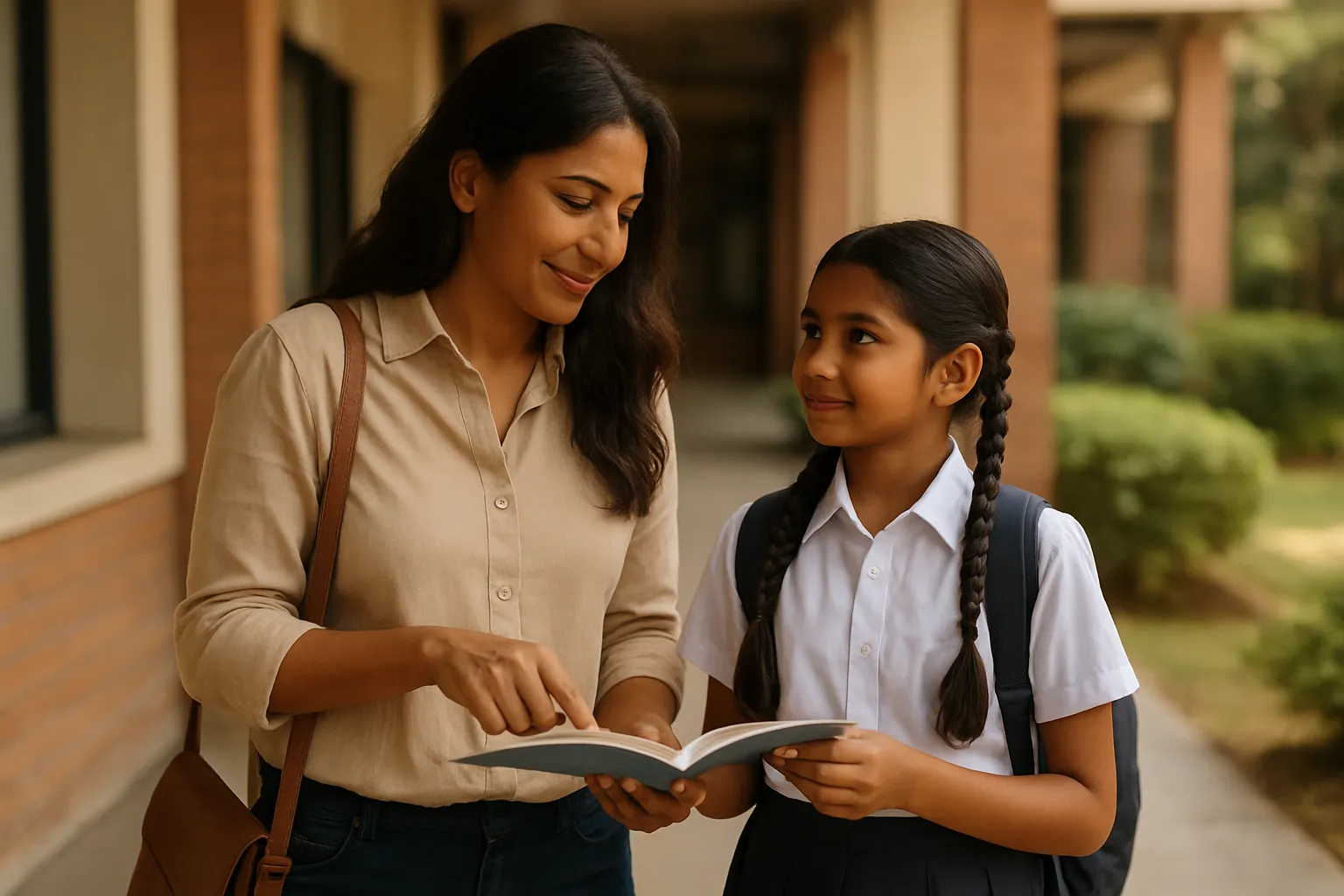
Photo illustrating: Why Small Classes Help Students Learn Better

For parents comparing schools, class size is more than a number. It influences how often students can ask questions, receive feedback, and take part in classroom activities. Smaller classes can create more opportunities for teachers to understand each learner’s needs while keeping lessons focused.

This guide explains how smaller classes support learning, where they make the biggest difference, and what parents should look for when visiting a school. It also offers practical questions to ask about teaching, support, and student participation.

Key takeaways

  • Smaller classes can create more opportunities for questions and participation.
  • Timely, specific feedback helps students understand how to improve.
  • A supportive classroom can build confidence in communication and problem-solving.
  • Parents should assess class size alongside teaching quality and student support.
  • A school visit can reveal how the learning environment works in practice.

More opportunities to ask and answer

When fewer students share a classroom, there is usually more time for questions, discussion, and guided practice. Students may find it easier to speak up when they are unsure, rather than carrying a gap into the next lesson.

Regular participation also helps teachers identify misconceptions early. This is especially useful in subjects where later concepts depend on a clear understanding of earlier work.

Feedback that helps students improve

Learning improves when feedback is specific and timely. In a smaller class, teachers may have more opportunities to review a student’s work, explain the next step, and check whether the explanation has helped.

Useful feedback is not limited to correcting answers. It can help students improve how they solve problems, organise ideas, present their work, and approach challenging tasks.

Confidence beyond academics

A supportive classroom can help students become more comfortable with speaking, presenting, collaborating, and asking for help. These habits matter across subjects and in everyday school life.

As students experience constructive feedback and manageable opportunities to contribute, they can become more willing to try unfamiliar tasks. Confidence grows through practice, encouragement, and clear expectations—not simply from being in a smaller room.

What parents should check during a school visit

Class size is important, but it should be considered alongside teaching quality, curriculum, student support, and the wider learning environment. During a visit, parents can ask:

- How do teachers track individual progress?

- How often do students receive feedback on their work?

- What happens when a student needs additional support?

- How are quieter students encouraged to participate?

- How does the school balance academic learning with activities, sports, and practical experiences?

A balanced approach to learning

Smaller classes can give teachers more room to notice, guide, and encourage each student. Their value is strongest when combined with thoughtful teaching, clear communication with families, and opportunities for students to apply what they learn.

For parents, the best way to assess the fit is to look beyond a single feature. Visit the campus, ask how learning is supported day to day, and notice whether students appear engaged, comfortable, and appropriately challenged.

Frequently asked questions

Do smaller classes guarantee better learning?

No. Class size can support attention and participation, but learning also depends on teaching quality, curriculum, resources, student support, and the individual learner’s needs.

How can smaller classes help a student who is struggling?

Teachers may have more opportunities to notice confusion, provide clarification, and check progress. Parents should ask the school how it identifies and supports students who need extra help.

Can students in smaller classes still develop teamwork skills?

Yes. Teachers can plan group projects, discussions, presentations, and collaborative activities suited to the class, helping students practise teamwork in a focused setting.

What should parents ask about class size during a school visit?

Ask about the typical class structure, how teachers monitor progress, how feedback is given, and how the school supports both students who need help and those ready for greater challenge.

See Learning in Action

Book a campus tour to explore how Vidyanjali International School supports focused learning, participation, and student confidence.

Vidyanjali International School
CBSE K-12 schooling in Wakad with STEM labs, sports academies, day boarding, and career guidance from Grade 9.
Our services →
Share this article WhatsApp LinkedIn
← All posts